
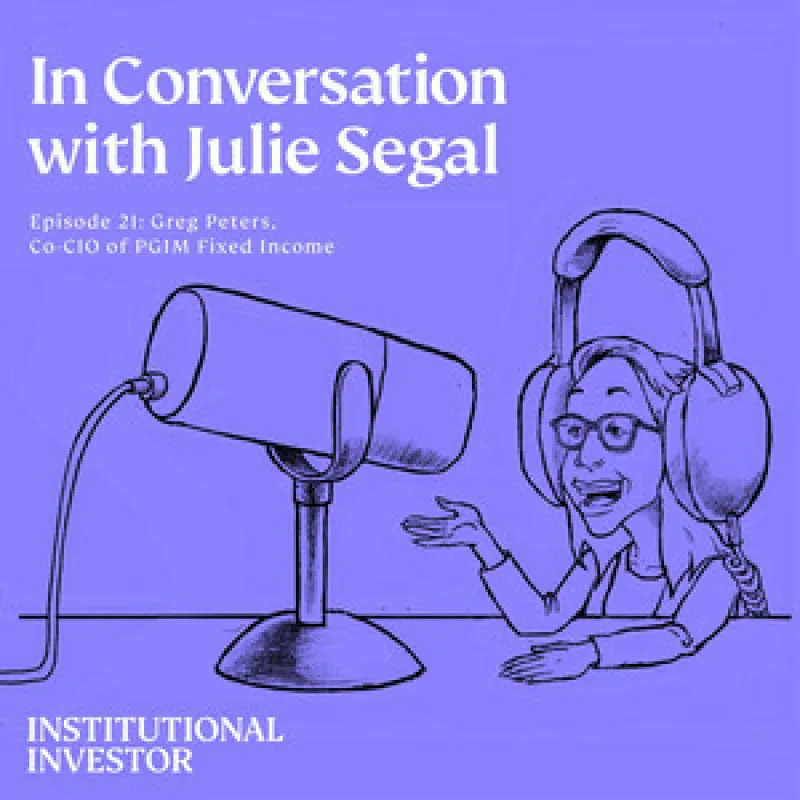
AI is fueling the largest borrowing boom in at least a generation. But Greg Peters argues that focusing on AI alone misses the bigger story playing out across credit markets.
“You’re seeing this AI build out at the same time you’re seeing the sovereign debt market also growing,” Peters says in the podcast. “So there’s a competition for capital. And it’s unrelenting. I’m calling it the “endless buffet.”
“All else equal that pushes rates higher, pushes spreads wider. That is the story that’s not really talked about nearly enough.”
Even so, it’s still early in the AI debt boom and Peters is being patient and staying away from unsecured debt in the public markets, but likes financing opportunities in the “build-out” of AI data centers — in part because the timeframe is shorter. That way investors don’t have to have an answer to what will happen in 10 years, or even five, he says. (The podcast was recorded before the recent downturn in AI stocks.)
In this conversation, the co-chief investment officer of PGIM Fixed Income explains why the asset manager is pursuing some AI-related financings while walking away from many others, why he believes we're entering a true credit-picker's market after years of the opposite, and what lessons he learned from the tech bubble in the late 1990s. You’ll enjoy his story about false diversification and an invented market sector from that time.
(Listen to the full conversation on Spotify, Apple or wherever you get your podcasts or by scrolling to the end of this article.)

Peters says being late in the credit cycle is irrelevant to what’s happening in the market today. (He says that’s surprising, even to him.)
What’s interesting, he says, is that hyperscalers “are not rate sensitive. The market is not necessarily acting as a regulator. And you’re seeing cracks already.
Think about Elon Musk as an example, right? In the SpaceX IPO, he’s talking about going to Mars. Data centers in space. That is aspirational to say the least. Do you think he cares about the kind of rate he’s paying to do that?”
In the end, “bondholders have very little control in that.” Peters says “that’s going to put pressure on yields and spreads — all else equal” and will present a lot of opportunities to put money to work. “But it’s not a normal environment where the market dictates whether these investments happen or not.”
Normal or not, it’s a good time for the bond guys. “After years and years of a beta-driven market driven by central bank policy, where bad companies were rescued through zero interest rates and the like, you were never truly penalized for making bad credit calls.”
With “not that many true credit investors out there,” Peters is ready.
Other topics we touched on:
The debate inside PGIM over AI companies’ claims about future revenue and the difficulty of getting information.
Why "30 years is a long time" when financing a rapidly changing technology.
What protections investors should get when financing data-centers.
What it means to have unusual negotiating power and why investors need to use it, and
How investors should think about diversification when so many assets share similar underlying risk drivers.