
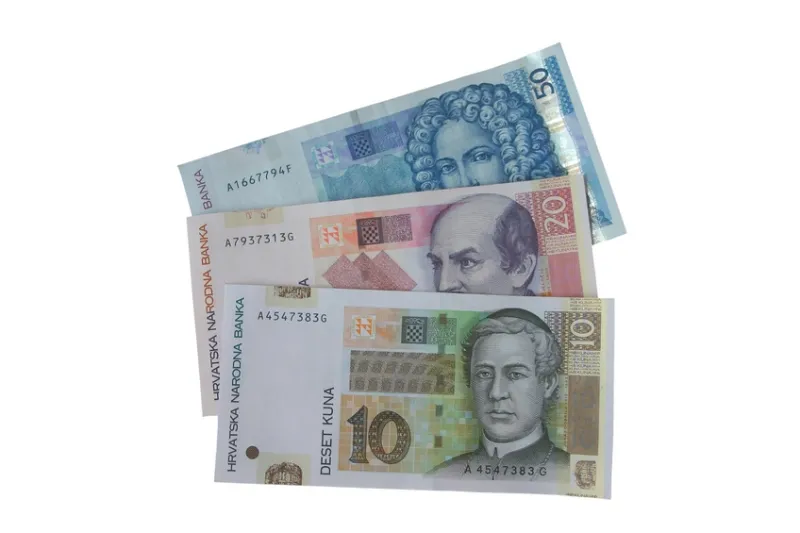
The central bank intervened in the foreign exchange market for a third time in only a week in its attempt to stop the appreciation of the kuna. The bank purchased €69.6 million ($89.4 million) at an average exchange rate of HRK/EUR7.275064, injecting HRK506.3 million into the market. In its five interventions since the start of the year – the first two were in February – the central bank has bought a total of €303.15 million, releasing more than HRK2.2 billion to the market.
Last week’s interventions managed to curb the domestic currency strengthening somewhat, but by the end of the week appreciation pressure resumed due to the weak corporate demand for the euro. The latest intervention is not likely to have a significant effect, either; in fact, it is only expected to help stabilize the kuna at around HRK/EUR7.27. The factors responsible for the continuing appreciation include the approaching tourist season. This time of the year is characterized by a strong kuna, and the expected decision of the government on the ways to finance the repayment of the debt to pensioners, which is estimated to cost some HRK7.8 billion ($1.4 billion) over eight years. The first tranche of the payment is to be made this year. Therefore, it is unlikely the kuna will weaken any time soon, and further interventions should not be excluded.